The Truesdale Gambit: Does Racing's Diagnostician Have the Killer Instinct?
When "Never Say Never" Means "I Want the Job"
HORSE RACINGSPORT
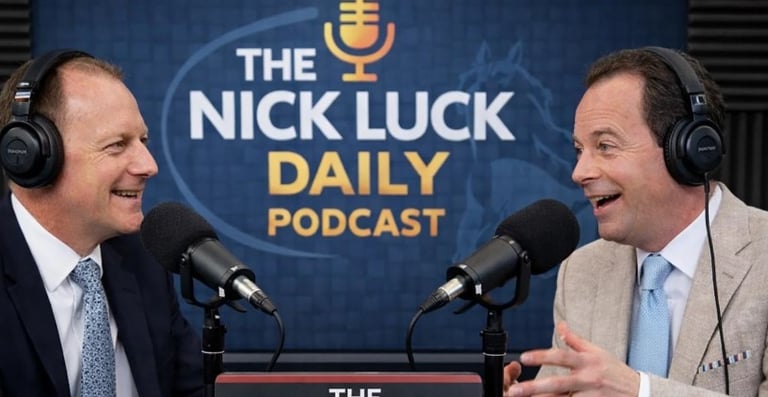

Four words changed everything: "But never say never."
Asked on Nick Luck's podcast whether he wants the BHA Chief Executive role, Nevin Truesdale deflected—he's loving his break, considering opportunities in other sports. Then came the pivot. Those four words transformed his policy proposals into a job application from someone who's thought deeply about racing's problems and believes he can fix them.Which raises racing's central question: Can the man who implemented the volume-driven model now dismantle it? And if he can't—or won't—what happens to British racing?
What He's Proposing—And Why It Matters
Truesdale explicitly denies advocating a Premier League-style breakaway. He wants reform within the BHA's structures: fixture rationalisation, Levy defunding of Class 6 races, steeper prize money curves, breeding incentives, reversal of volume-over-quality decisions, transformed media with technological innovation.
The Premier League reference is about tactics. Richard Scudamore told reformers in 1992 to make it clear "the Premier League was happening come what may." Truesdale wants that same commitment: get on board or don't have a ticket. Force stakeholders to choose rather than endlessly negotiating consensus that never arrives. His diagnosis is accurate. ARC and smaller courses, with one-racecourse-one-vote at the RCA, outvote quality-focused interests. The consequence if he's right and nothing changes? Racing continues its managed decline—smaller fields, reduced betting interest, collapsing foal crops, exodus to unregulated operators. The sport becomes increasingly irrelevant whilst those profiting from volume fight to preserve their position.
The Kempton Problem—And What It Reveals
Truesdale describes Kempton as "very profitable... the Jockey Club's third or fourth most profitable racecourse." That profitability derives from "the business model of the all-weather"—precisely the volume-driven, media-rights model he now advocates moving away from.As CFO (2013-2020) then CEO, he presided over decisions increasing Class 5 and Class 6 racing. His defence? "Short-termism has probably won the day when it shouldn't have done."This could be evolution—implementing a strategy he's since reconsidered, learning from experience what doesn't work. Or it could be convenient repositioning now he's no longer accountable for commercial consequences. The consequence if it's the latter? Racing appoints someone who understands the problems because he helped create them, but lacks the conviction to fight the battles necessary to fix them. Reform becomes performance art—eloquent diagnosis, sophisticated positioning, endless consultation, minimal change.
The Structural Impossibility
Here's the puzzle Truesdale may not have solved: If those with misaligned incentives control governance through RCA voting, how does a BHA CEO overcome this without regulatory authority or commercial leverage? The Premier League had the FA's blessing and transformative television revenue. Cricket's Hundred was imposed by the ECB with regulatory power. Racing has fragmented commercial rights, limited enforcement powers, and governance requiring consensus among opposed interests.Truesdale's answer—reform "within established structures"—sounds like hoping the structure will reform itself. Which means either he has leverage nobody else can see, or he's not prepared for the confrontation real reform demands.
The consequence if it's the latter? Racing gets another CEO who understands what needs doing but discovers commercial realities make it impossible. The problems compound. The managed decline accelerates. And in five years, we're having the same conversation about the next candidate.
The Killer Instinct Question
Racing's crisis stems from collective failure to prioritise long-term health over short-term revenue. Truesdale was part of that system. But "part of the problem" can also mean "deeply understands the problem." His explanation—that debt servicing requirements necessitated the volume model—has merit. Perhaps the debt was constraining, forcing compromises he now recognises as errors. That's credible. The test is whether someone who made those compromises once will resist making them again.If appointed, will he actually confront ARC and smaller independents whose RCA votes block reform? Will he pursue fixture reduction costing his former employer millions? Will he sideline stakeholders "who act for short term gain" when those stakeholders control governance? Will he fight the battles his diagnosis says are necessary?
The Premier League breakaway succeeded because Scudamore and the big clubs had ruthlessness to proceed "come what may," forcing others to choose sides. Does Truesdale have that steel?
The consequence if he doesn't? Racing discovers—as it always does—that the person criticising the system from outside becomes its defender from inside. That commercial realities prove more compelling than reform principles. That sophisticated diagnosis masks inability to act. Racing has never lacked clever people identifying problems. It's lacked people willing to fight necessary battles to fix them. Articulation isn't transformation.
What Happens If This Fails
Consider the trajectory if Truesdale is appointed and—like every BHA leader before him—discovers that governance structures designed to prevent decisive action continue preventing decisive action:
Year One: Consultation. Stakeholder engagement. Working groups examining fixture reform, prize money distribution, breeding incentives. Promising noises about addressing small field sizes.
Year Two: Pilot schemes. Incremental adjustments. Some Class 6 races defunded, prompting outcry from affected courses. Compromise reached: slower implementation, more consultation. Fixture numbers edge down marginally.
Year Three: Reality bites. Courses dependent on volume threaten legal action. RCA voting blocks substantive reform. Commercial pressures mount. The radical vision becomes managed tweaking. "We're making progress" becomes the refrain.
Year Four: Truesdale either leaves for "new challenges" or becomes spokesperson for why reform is more complex than critics understand. Field sizes continue declining. Foal crop continues falling. Black market operators continue capturing turnover. Racing continues its elegant slide towards irrelevance.
This isn't speculation. It's pattern. Every BHA leader arrives promising transformation and leaves explaining why the structure prevented it.
The Alternative
But consider what happens if Truesdale actually has the killer instinct:
He forces confrontation early. Makes fixture reduction non-negotiable. Tells ARC and smaller independents they're part of the solution or they're obstacles to be overcome. Uses whatever leverage the BHA CEO role provides—moral authority, public pressure, strategic alliances—to make reform "come what may."Some stakeholders walk. Legal threats fly. The RCA fractures. Racing faces short-term commercial pain and maximum political turbulence.But field sizes stabilise. Betting interest increases on better product. Breeding incentives attract investment. Racing begins rebuilding rather than managing decline.
The consequence? Racing discovers whether anyone actually has courage to prioritise long-term survival over short-term interests. We find out whether the sport's governance structures permit transformation or merely enable sophisticated explanations for paralysis.
The Choice Racing Faces
The "never say never" was honest. Truesdale has thought deeply about racing's problems and believes he can implement solutions. Whether he's right is the gamble Lord Allen's board must take. But it's not just their gamble. It's racing's. Because if Truesdale is appointed and fails—if he becomes another articulate diagnostician who discovers that commercial realities trump reform principles—then racing will have exhausted one of its last credible options.
The question isn't whether Nevin Truesdale understands what needs doing. Clearly he does. The question is whether he possesses the ruthlessness to force change "come what may," or whether racing is about to relearn that elevation isn't transformation. British racing has never struggled with sophisticated diagnosis. What it's never managed is courage to act against immediate interests for long-term survival.
The consequences of getting this wrong aren't abstract. They're measured in empty racecourses, declining participation, exodus to unregulated operators, and eventual irrelevance. Racing doesn't have infinite chances to get this right. Truesdale's candidacy is the test. But racing's response—whether it actually wants transformation or just sophisticated explanations for paralysis—is the answer.
The views expressed are those of the author only.