Brant Dunshea Wants to Be CEO — But Is Racing Ready for ‘Nice’ Leadership?
One year on, he’s still auditioning for a job he already has. Racing’s Hamlet finally speaks.
HORSE RACINGSPORT
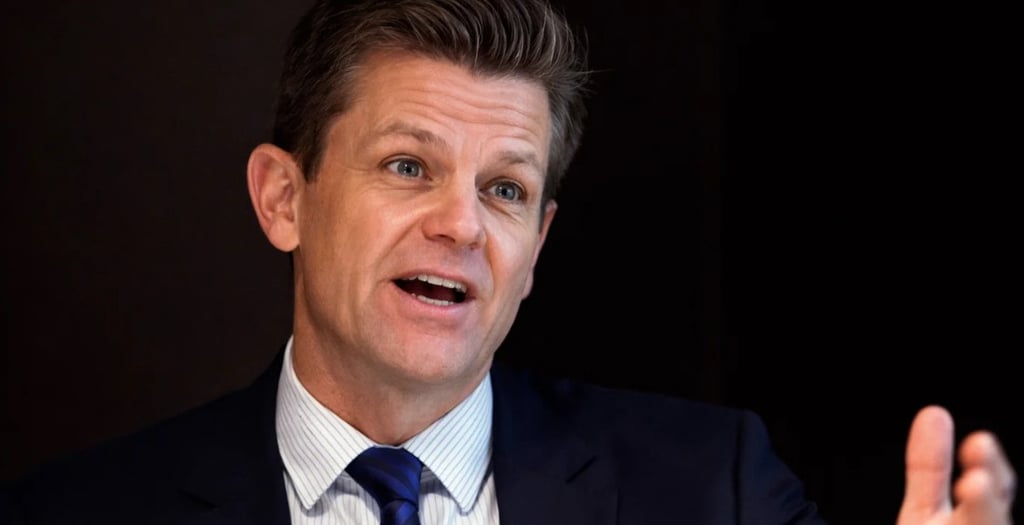
Brant Dunshea and the Curious Case of the Perpetual Acting CEO
Brant Dunshea wants the job. Not just any job, mind you, but the job: Chief Executive of the British Horseracing Authority, the spiritual headquarters of racing’s most genteel dysfunctions. He has now said so with a candour rarely heard in BHA corridors—where the walls are typically lined with euphemism, corporate-speak, and the ghostly echoes of unpaid prize money. “I’ve been in the job a year,” he said. “I make no bones about it, I want to be confirmed.” Which is delightfully un-British in its directness. Most people in racing leadership climb the ladder by denying they’re even on one. Brant, instead, has looked up from his desk and politely waved.
And you can see why. He’s done the hard bit: sat through the meetings, absorbed the memos, shepherded the sport through one of its periodic crises (this one titled Tax Panic: The Autumn Edition), and most impressively of all, managed not to become a headline. No small feat in an industry where “Disrepute” is practically a bloodstock term. But here lies the rub: the absence of scandal is not, in and of itself, a strategy. Nor is competence necessarily charisma. Dunshea is, by all accounts, honest, diligent, and respected—three qualities that, were he running a regional building society, would win him awards. But the BHA is not a building society. It is a sport-turned-soap-opera, flailing for relevance in an era that increasingly sees racing as a confusing relic—like teletext, or Michael Owen commentary.
In this environment, acting like a CEO for 12 months is no substitute for being one. The job requires someone who can both convince Treasury mandarins that racing deserves tax exemptions and explain to casual punters why horses keep disappearing mid-race under “non-trier” rules that read like Kafka with a stopwatch.
Dunshea's handling of governance reform has been sound, albeit sluggish. He helped midwife the arrival of Lord Charles Allen, a media executive turned racing’s answer to Cincinnatus—called from his political garden to impose order on a kingdom of squabbling interests. Under Allen’s stewardship, the BHA is transitioning to an independent board, which is to say: they are trying to make decisions without three different power blocs vetoing each other out of sheer principle.
This process, according to Dunshea, is “incredibly complex and unprecedented”—a phrase that usually precedes the arrival of a 50-page consultant’s report and a doubling of everyone’s inbox. Still, he’s right. Trying to modernise racing governance is like trying to remodel a stately home that’s also a hotel, a museum, and a petting zoo—while the occupants shout about whip regulations.And then there’s the Harrington issue. The £180,000 payout to his predecessor hangs over the whole affair like a gelding in a glasshouse. Dunshea insists he had “zero involvement,” which may be true, but isn’t terribly comforting. You’d expect a future CEO to at least want a sniff of the cheque before it went flying out the door. The money might have been legal, it might even have been justifiable—but it wasn’t transparent, and the optics remain somewhere between eyebrow-raising and bridge-burning.
So: should he get the job?
If racing is looking for steadiness, reliability, and a man who can quote the rulebook in his sleep, then yes, Brant Dunshea is your man. If it wants reform, vision, and a firebrand with a knack for making politicians sweat—probably not. The truth is, racing doesn’t yet know which it wants. It teeters between nostalgia and reinvention, between wanting to be Sky Sports and wanting to be the Sporting Life in 1952. Dunshea deserves credit for weathering the storm. He has neither embarrassed the BHA nor exploited it. But whether that’s enough to lead it through the next era is another matter entirely.
Still, in racing terms, he’s made it to the final furlong. Whether the new board decides he’s a stayer or just another pacemaker is a call only they can make. In the meantime, Brant will continue to act, which—given the theatre that is British racing—may be the most fitting title of all.